
Resource
Getting out the door in the morning
Mornings go wrong in the same three places for most families. Here is how to find yours.
- For parents
- 5 min read
- Updated September 25, 2026

The short answer
Most hard mornings come down to one hard minute, usually the same one each day: getting dressed, turning screens off, or going out the door. Write it down for a week, pick the one that costs the most time, and change only that. Starting ten minutes earlier on purpose also helps, because a rushed adult slows a struggling child down.
Key takeaways
- For a week, write down when you started, when you got out, and where it fell apart.
- Change one problem spot this month, not all three.
- Warn with events, like "two more songs," not minutes.
- Give your child a job at the door, like carrying the keys.
Most families do not have a bad morning. They have one bad minute that ruins the morning, and it is usually the same minute every day.
Find the minute
For one week, write down the time you started and the time you got out. Then write one line: where it fell apart.
You will almost certainly find it is one of three places.
Getting dressed. Often about the clothes themselves. Seams, tags, tight socks, a jumper that feels wrong.
Screens off. Stopping something enjoyable is one of the hardest things anyone does, at any age.
The doorway. Not the leaving. The switch from inside to outside, which is a bigger change than it looks.
Fix one, not all three
Pick the one that costs you the most time and leave the other two alone this month.
If it is getting dressed
Lay the clothes out the night before, in order, left to right. Let your child choose between two options, not from the whole drawer. If a fabric is the problem, it is a real problem, not a preference to argue with.
If it is screens off
Give a warning that is about events, not minutes. "Two more songs" works better than "five more minutes", because a four year old does not know how long five minutes is. Then hand them the next thing before you take the last thing away.
If it is the doorway
Give the leaving a job. Carrying the keys, pressing the lock, opening the car door. A child with a job at the door is doing something, not losing something.
The part that feels wrong
Start the morning earlier than you need to, on purpose, for two weeks. Not to add tasks. To have slack.
Almost every morning battle gets worse because an adult is now rushing, and a rushed adult talks faster and louder, which makes a struggling child slower. Ten minutes of slack changes more than any technique on this page.
Measuring it
Keep the two times, start and out the door, for another two weeks after your change. If the gap is shrinking, keep going. If it is flat after three weeks, the change was not the right one. That is information, not failure. Bring the numbers to your BCBA and pick a different one.
Questions people ask
Why is turning off screens so hard for my child?
Stopping something you enjoy is hard at any age. Give a warning based on events, like "two more songs," since a young child can't judge five minutes. Then hand them the next thing before you take the screen away.
What helps if getting dressed is the problem?
Lay the clothes out the night before, in order. Offer a choice between two things, not the whole drawer. If a seam, tag or fabric bothers your child, treat it as a real problem, not a preference to argue about.
How do I know if a change to our morning is helping?
Keep writing down the two times, starting and out the door, for two more weeks. If the gap is shrinking, keep going. If it is flat after three weeks, try a different change and share the numbers with your BCBA.
From the Data Driven Educators team
This is what working with us is like
Everything on this page is how we actually work: one change at a time, written down, kept or dropped on what the notes say. If you would like that applied to your own child rather than read about, the first call costs nothing.
Read next
Other things worth your time
 A bedtime that holdsSame order, same words, every night. Why the boring version is the one that works.Read more
 What reinforcement actually meansIt is not bribery, and it is not stickers. It is the one idea underneath everything else we do.Read more
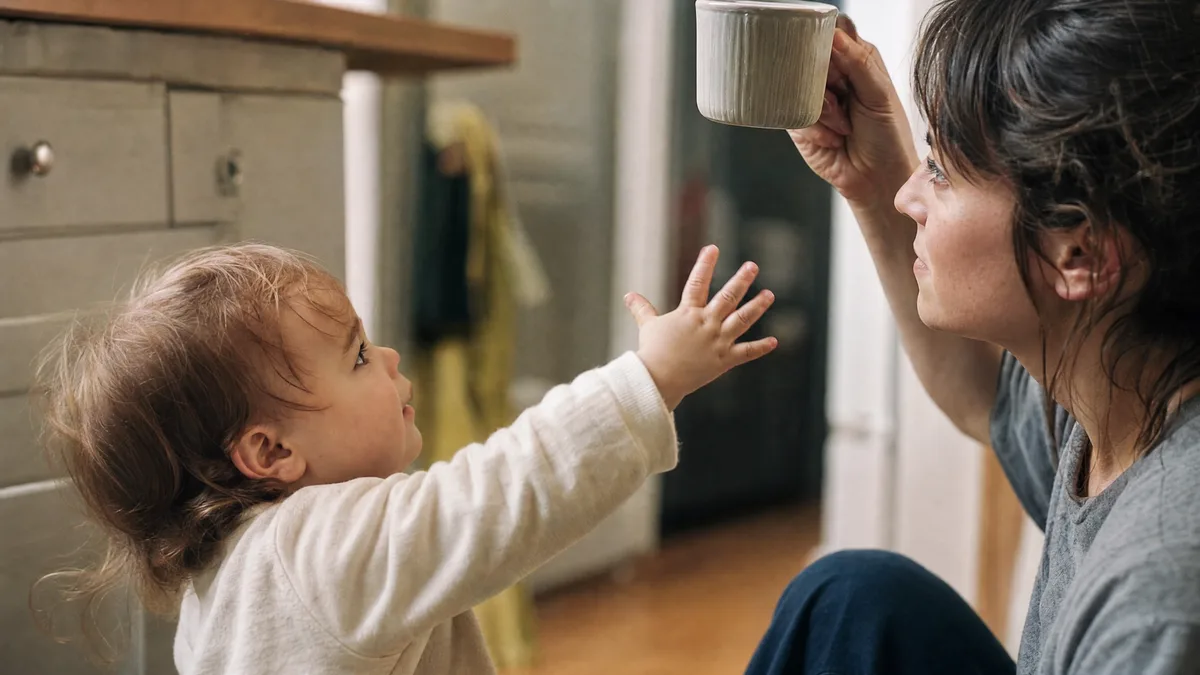 Teaching your child to ask instead of grabGrabbing is communication that works. The job is to make asking work better.Read more
Questions about this?
Call us and we will talk it through with you, free.
HIPAA-compliant Telehealth available